



04 Nov ACL Injuries in Women: Are We Focusing on the Wrong Things?

By Julian Gurizzan - Physiotherapist
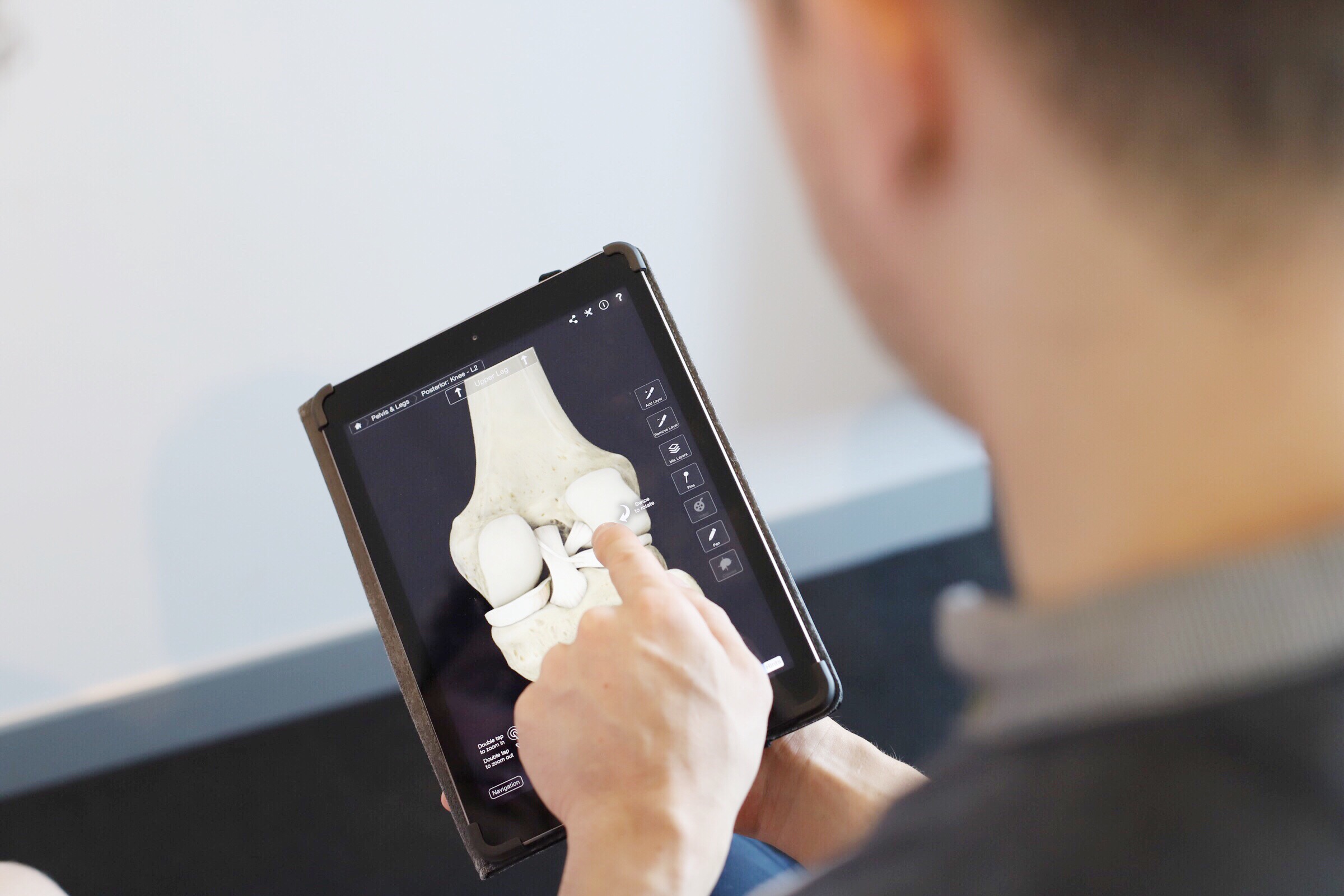
For years, research into why women experience more ACL injuries than men has focused on hormones, pelvic anatomy, Q-angles and differences in knee alignment.
While these factors may play a role, emerging research is shifting the conversation towards something we can actually change: training.
Are girls and women getting enough strength and conditioning to prepare them for the demands of sport?
A 2026 position statement from Exercise and Sports Science Australia (ESSA), published in Sports Medicine, highlights the importance of looking beyond biological differences and considering how female athletes are trained and physically prepared.
Are girls getting enough strength training?
Traditionally, boys have often had greater exposure to structured strength and conditioning from a young age. Girls may have fewer opportunities to develop strength, power and fundamental athletic skills.
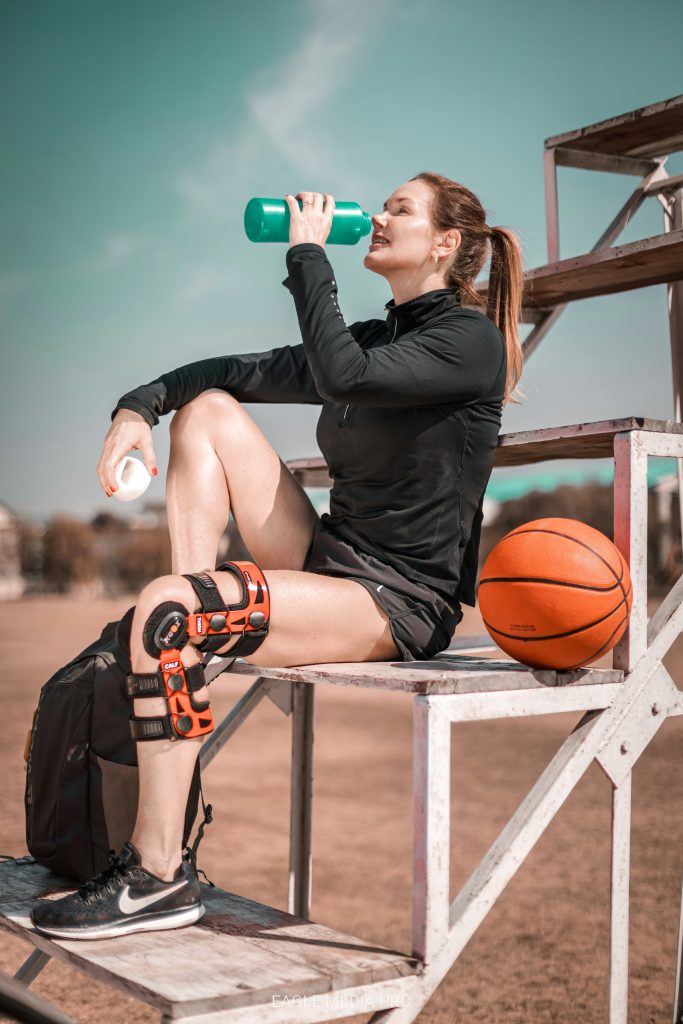
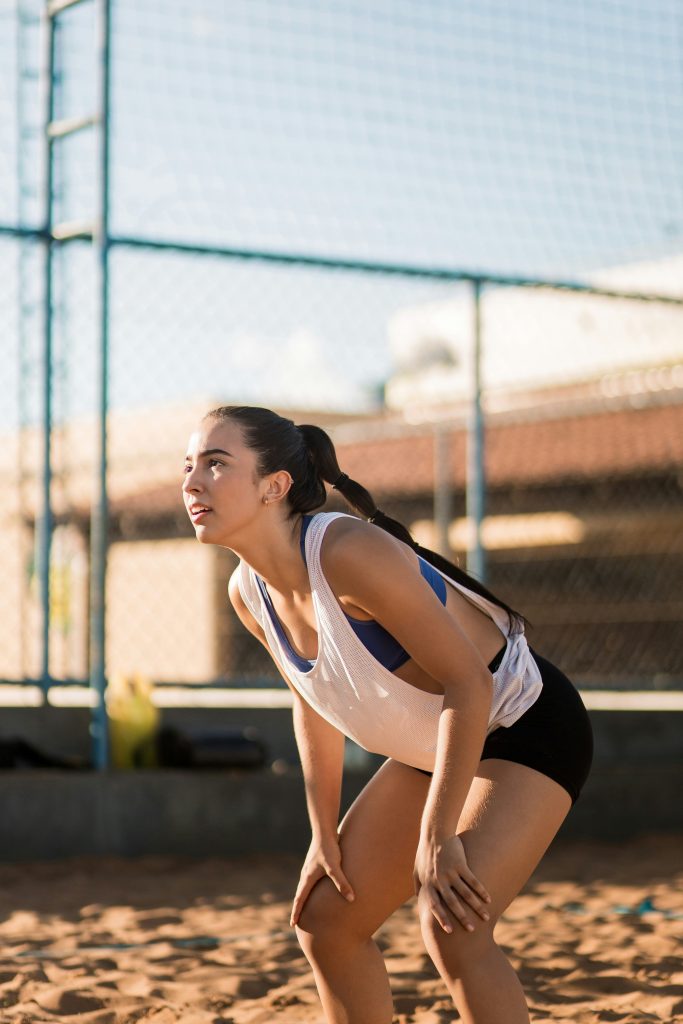
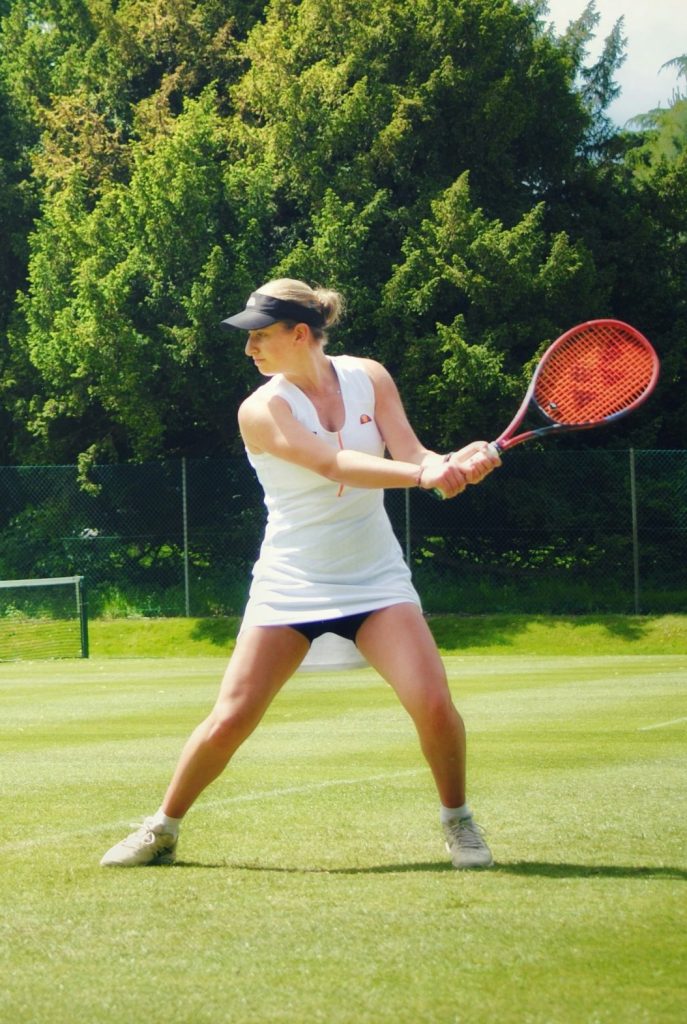
Consider the demands of sports like soccer, netball and basketball. Athletes are constantly jumping, landing, accelerating, slowing down and changing direction.
These movements place considerable forces through the knee. Managing those forces requires strength, coordination and physical preparation.
The question isn’t whether women are capable of handling these demands, but whether they’ve been given the same opportunities to prepare for them.
Is it really about hormones and anatomy?
Hormones, pelvic anatomy and Q-angle have historically received a lot of attention when discussing ACL injuries in women.
While these factors may contribute to injury risk, they don’t tell the whole story. Research has increasingly highlighted the importance of strength, physical preparation and neuromuscular training.
Rather than focusing so heavily on anatomical differences, we should be asking whether female athletes are getting enough strength and conditioning to prepare them for the demands of their sport.
What can actually reduce ACL injury risk?
This is where the research becomes encouraging.
Structured strength and neuromuscular training programmes have been shown to reduce ACL injury risk by approximately 60% in female athletes participating in sports such as soccer, basketball and handball.
These programmes don’t need to be complicated. They typically include:
- Strength training: Squats, lunges, deadlifts and split squats.
- Jumping and landing: Developing the ability to absorb and control force.
- Balance and coordination: Improving control during single-leg movements.
- Deceleration: Learning to slow down effectively.
- Change of direction: Practising cutting, pivoting and changing direction.
Even relatively short programmes, performed consistently two to three times per week, can make a meaningful difference.
Building stronger athletes, not just preventing injuries
Strength training shouldn’t just be about preventing injuries. It should be a normal part of female athletic development.
Building strength and power improves jumping, sprinting, acceleration and overall sporting performance. It also helps athletes better tolerate the physical demands of competition.
Rather than discouraging girls from jumping, running or changing direction, we should be helping them develop the strength and control to perform these movements confidently.
This means introducing strength and conditioning early and making athletic development a regular part of female sport.
The takeaway
ACL injuries are complex, and there isn’t one single reason why women experience them more frequently than men.
Hormones and anatomy may contribute, but they aren’t the entire explanation.
One of our biggest opportunities is improving how girls and women are physically prepared for sport.
More strength training. More jumping. More sprinting. More landing practice.
We need to move away from the idea that female athletes are inherently more fragile and focus on giving them the tools to become stronger, more capable and more resilient.
Perhaps the question shouldn’t just be why women sustain more ACL injuries, but whether we’ve done enough to prepare them for the demands of sport in the first place.
Want to improve your strength, movement and injury resilience? Our physiotherapy team can help you develop an exercise programme suited to your goals and sporting demands.
…
Call 3354 1819 or book online to see a physiotherapist at Everton Park Sports and Spinal Physiotherapy for your assessment.
Senior Physiotherapist
Julian completed a Masters of Physiotherapy Studies at UQ after completing a Bachelor of Kinesiology at the University of Toronto and an Exercise Science and Lifestyle Management Certification. He has experience as an exercise physiologist and strength and conditioning coach specialising in musculoskeletal injury management, injury prevention, and return to sport.
Julian has a strong clinical interest in the management of low back pain and shoulder pain, including both acute injuries and long-standing chronic conditions. He enjoys helping patients manage persistent pain, improve strength and mobility, and return confidently to work, sport, and everyday activities.
His treatment approach combines hands-on therapy, education, and individualized exercise programs tailored to each patient’s goals and lifestyle.
Opening Hours
Monday: 7:30 AM – 7:00 PM
Tuesday: 7:30 AM – 7:00 PM
Wednesday: 8:00 AM – 7:00 PM
Thursday: 7:30 AM – 7:00 PM
Friday: 7:30 AM – 5:00 PM
Saturday: 7:30 AM – 12:00 PM
Sunday: Closed
Sorry, the comment form is closed at this time.